
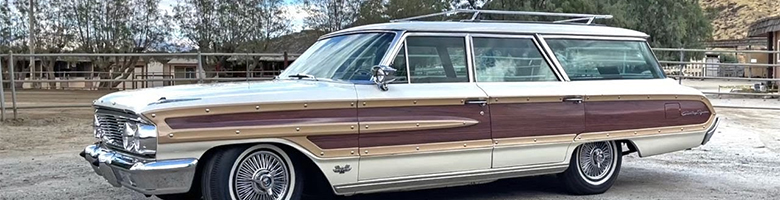
I remember road trips from when I was a kid. We had a 1964 Ford Country Squire station wagon. No AC, no seatbelts, an AM radio, and wood-grain exterior trim. We took that thing and drove from Oklahoma to California (Grapes of Wrath—Okie style), across the desert in the summer when I was about six. …
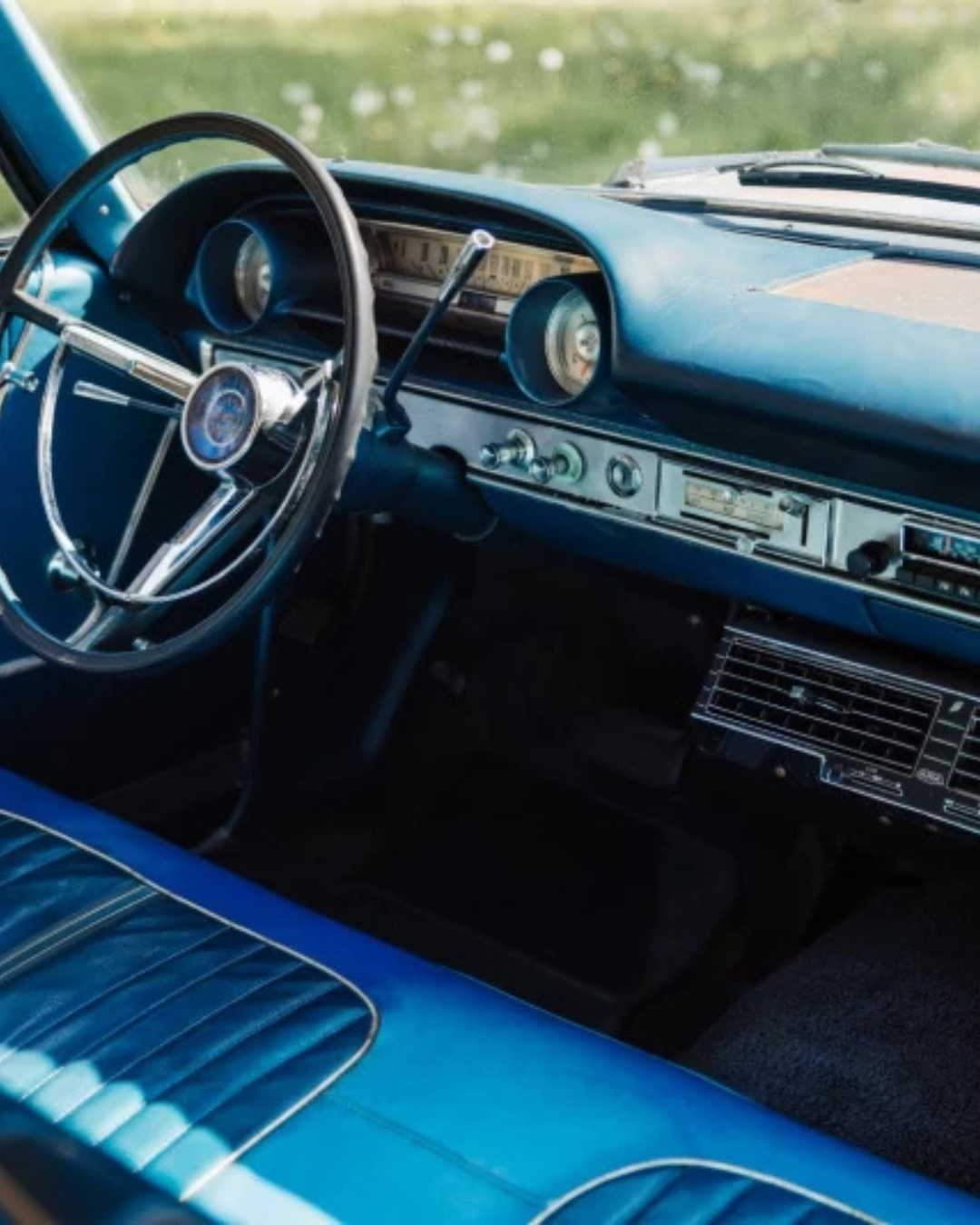
I remember road trips from when I was a kid. We had a 1964 Ford Country Squire station wagon. No AC, no seatbelts, an AM radio, and wood-grain exterior trim. We took that thing and drove from Oklahoma to California (Grapes of Wrath—Okie style), across the desert in the summer when I was about six. You had to be tough or crazy (or both) to try that with kids, but my parents did. Those times made it a little hard to empathize when one of my kids complained about driving somewhere in our air-conditioned, entertainment-equipped, quiet, and luxurious car.
A friend recently commented that our generation may have prepared the road for our children instead of preparing our children for the road. I don’t plan to pontificate about parenting here. I made so many mistakes I can’t begin to tell anyone else how to raise healthy, thriving human beings. However, that comment stuck with me and made me think about how leaders help or hinder those we serve.
Here’s the thing about a smooth road. It feels like a gift. And it is, up to a point. When everything is paved and GPS-guided, you don’t develop much of a sense of direction. You just follow the blue line. The problem shows up the moment the signal drops and you’re on your own.
I’ve done this in leadership. More times than I’d like to admit, I’ve stepped in front of a problem because I could solve it faster than the person in front of me could learn to. And in doing so, I stole something from them. Not intentionally, but the effect was the same. They got where they were going, but they didn’t get better at getting there.
There is a version of this that looks exactly like caring. It feels like it too. Nobody wakes up thinking, “I’m going to make my team helpless today.” We step in because we care. We smooth the path because we don’t want the people we love—or the people we lead—to suffer unnecessarily. But there is a meaningful difference between unnecessary suffering and the kind of struggle that builds something.
My dad didn’t put us through that desert crossing to be cruel; there was no other option. But I’ll tell you what it did. It taught me that hard things were survivable. It taught me that discomfort was temporary. It gave me a reference point I could return to when things got difficult later in life. “I once crossed the Mojave in a station wagon with no air conditioning” is a helpful perspective.
People who have never been through anything hard don’t have that. And leaders who protect their teams from all difficulty are, without intending to, producing people with no reference point for resilience. When the hard thing eventually arrives (and it always does), they have no roadmap for it because they’ve never had to make one.
The question worth sitting with isn’t whether to protect the people we lead. Of course we protect them. The question is, what are we protecting them from? There’s a real difference between protecting someone from a danger that could genuinely break them and protecting them from the friction that would actually grow them. Leaders have to know the difference. That takes paying attention. It takes knowing your people well enough to judge which hill they need help with and which one they need to climb themselves.
I think about those road trips a lot. No technology, no entertainment, no comfort to speak of. Just a family packed into a car, going somewhere, figuring it out as they went. We argued, we sweated (we even had to repair the brakes in Arizona), we stopped at gas stations, we read maps. And we made it. Every one of us. And I think those trips are one of the reasons I believe, somewhere deep, that hard things are doable.
That’s what I want for the people I lead. Not suffering for its own sake. Not manufactured difficulty. But the real, honest belief that they can handle what comes at them. The only way to give them that is to let them drive—the Bison Way.