Bison are majestic and beautiful animals. They are also big and can be very dangerous. When threatened, they protect their family group (herd) against anyone or anything. Bison need three things to be content and stay where they are: food and water (basic needs stuff), safety (are they afraid of anything?), and community (they don't …
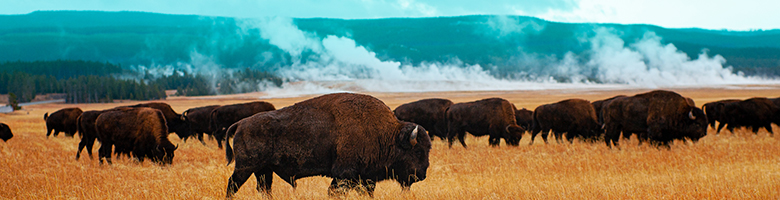
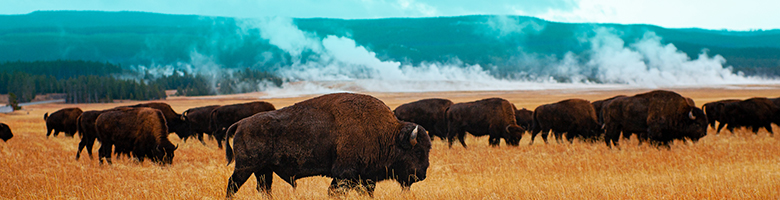
Bison are majestic and beautiful animals. They are also big and can be very dangerous. When threatened, they protect their family group (herd) against anyone or anything. Bison need three things to be content and stay where they are: food and water (basic needs stuff), safety (are they afraid of anything?), and community (they don’t do well alone). Turns out, we (people, that is) are a lot like bison in that way. We need to have our basic needs met, feel safe in our environment, and have community.
Our basic needs are a little more complex than a bison’s. Our physiological needs include food and water, but also warmth, shelter, and sleep. Safety for us looks like security, stability, order, law, and freedom from fear. Love and belonging (community for us) encompasses social connection, friendship, intimacy, family, and a sense of belonging.
So far, bison and humans have a lot in common in that we both need the first three levels of Maslow’s Hierarchy of Needs. However, humans need two more levels. Our need for esteem involves the need for self-esteem, achievement, mastery, independence, status, and respect from others. Finally, self-actualization, the highest level, represents the desire to become the most we can be, fulfilling our personal potential and continuing to grow.
Psychologist Abraham Maslow gave us this framework back in 1943, and it’s stuck around because it rings true. What makes it particularly relevant for leaders is this: our ability to pursue higher-level needs is affected by how well our more foundational needs are being met. If someone is worried about whether they can pay rent, they’re not thinking about personal growth. If they don’t feel safe, belonging doesn’t matter. The hierarchy isn’t just descriptive; it’s prescriptive for how we should lead.
In healthy organizations (the kind where people actually want to show up and stay), leaders understand they’re responsible for creating environments where each level gets met. Not by doing it for people, but by removing the barriers that prevent them from meeting these needs themselves.
Start at the bottom. Physiological needs aren’t just about paychecks. Fair compensation, reasonable hours for sleep and family time, and decent benefits—these aren’t perks; they’re prerequisites. When we fail here, nothing else matters. You can’t build culture on poverty wages and exhaustion.
Safety comes next, and many organizations stumble here. Physical safety matters, and we mostly get this right through proper equipment, safe practices, and maintained facilities. But physical safety isn’t the whole picture. Psychological safety matters just as much. Can people speak up without fear? Is there stability or constant chaos? Do policies get applied fairly? When people are scanning for threats, they can’t do their best work.
Love and belonging is where culture shows itself. Not through mandatory fun or pizza parties, but through whether people know each other as humans. Is there space for the person struggling with a sick parent or celebrating a kid’s graduation? Do people look out for each other? Can you be yourself here? Belonging can’t be mandated, but it can be modeled and protected.
Esteem is about achievement, mastery, and respect. In healthy cultures, this happens through meaningful work and genuine recognition. Not plaques, but real acknowledgment. Give people challenges that stretch without breaking them. Trust them with important work. Create space for mastery. And respect them as the experts they are.
Self-actualization is where people become their fullest selves—discovering they’re capable of more than they thought while growing beyond their current role. Good organizations create conditions for this. Great ones celebrate it, even when someone outgrows their position.
But remember: the hierarchy matters, and the foundation matters most. Inspiring self-actualization in teams that don’t feel safe doesn’t work. Rolling out career development while paying below-market wages doesn’t work. You can’t build the top floor on empty air.
As leaders, we inherit organizations at various stages. Our job is to honestly assess where we are, then work level by level. Once a level is met, it doesn’t disappear. People still need to eat while pursuing self-actualization. They still need safety while building esteem. Meeting these needs isn’t one-and-done; it’s ongoing.
Whether we’re talking about animals on the prairie or people in conference rooms, the fundamentals matter. We’re all looking for the same things: our basic needs met, safety from threat, connection with others, respect for who we are, and the chance to become who we might be. When we lead with this understanding, we build environments that honor each level of human need. We’re not just creating better workplaces; we’re creating space for people to thrive. And that’s when the real magic happens—not because we made it happen, but because we created the conditions where it could. That’s the Bison Way.