Your body churns out around 200 billion red blood cells every day. That's roughly 2.4 million new ones every second. It's this incredible, never-ending process that keeps you breathing and walking and thinking. Without it, you'd be dead in a matter of days. But nobody wakes up in the morning thinking, "My life's purpose is …
Your body churns out around 200 billion red blood cells every day. That’s roughly 2.4 million new ones every second. It’s this incredible, never-ending process that keeps you breathing and walking and thinking. Without it, you’d be dead in a matter of days. But nobody wakes up in the morning thinking, “My life’s purpose is to make blood.”
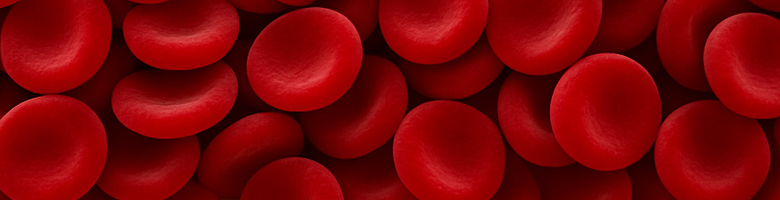
I was reading Phil Knight’s memoir, Shoe Dog, when this analogy smacked me right in the face. Knight says making money is like producing blood—you absolutely must do it to survive, but it’s not why you exist.
I started thinking about all the companies I’ve seen that got this backward. They become so obsessed with hitting numbers that they lose track of what they’re actually trying to accomplish. It’s like a person who becomes fixated on their blood count instead of living their life. Sure, the metrics look good, but what’s the point?
These profit-obsessed companies make decisions that sound smart in the boardroom but feel wrong everywhere else. Training budgets get axed to make the quarterly numbers. Products get rushed out the door half-baked because the deadline won’t wait. People become “resources” instead of, well, people.
Nike didn’t start because Knight wanted to get rich. He and his buddies wanted to help athletes perform better—all athletes, not just the superstars. The money was necessary fuel, not the destination. When you understand that difference, it changes how you think about everything.
You’ll spend money on research that might not pan out for years. You’ll keep good people even when times get tough. You’ll build products that solve real problems instead of just moving inventory.
I’ve noticed something about the companies that last: they figure out that purpose drives profit—not the other way around. When people actually believe in what they’re doing—really believe it—they don’t just show up and do the minimum. They innovate. They care. They solve problems you didn’t even know you had.
At Kimray, we make controls for oil and gas production equipment. But that’s not really what we do. We’re in the business of making people’s lives better. The valves are our strategy. If I started thinking valve-making was our actual mission, we’d be in trouble. Whatever happens to our industry would control us instead of us controlling our own destiny.
The smartest leaders I know talk way more about purpose than profit. They’ve learned that when you create real value for real people, financial success usually follows. Try to chase money without meaning? You often end up with neither.
Sometimes when I’m walking (I don’t run anymore), I think about how my circulatory system works. It’s doing this amazing job—adapting, renewing, and keeping everything functioning. But that’s not why I’m out there. I’m walking to stay healthy, to clear my head, to have energy for what matters.
That’s exactly how business should work. Yes, you need revenue streams and profit margins. They keep the lights on. But they’re not the reason you’re in business. The reason is what you’re building, who you’re helping, and why it matters.
When you get that straight—profit as lifeblood, not life purpose—everything changes. You create workplaces where people can do meaningful work. You focus on creating value, not just capturing it. And honestly, that clarity makes for better business and better lives.
People want their work to matter. When they can see how their daily grind connects to something bigger, they bring their whole selves to the job. That’s when magic happens—not because you demanded it, but because you made it possible.
Great companies, like healthy bodies, understand what keeps them alive versus what makes them worth keeping alive. Blood production is essential; so is profit. But neither one is the point. The point is what we’re building, who we’re serving, and why any of it matters in the first place. Blood and money are necessary, but purpose and mission are the Bison Way.