
When I was young, I was briefly, intensely interested in polishing rocks using a rock tumbler. (I was briefly, intensely interested in lots of things, but that is another story.) Tumbling rocks is amazing. You take common stones that can be found anywhere and put them in a cylinder with some water and grit. The …
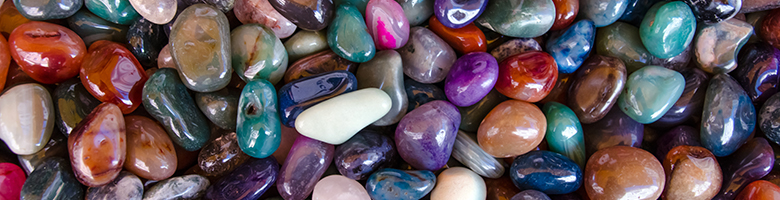
When I was young, I was briefly, intensely interested in polishing rocks using a rock tumbler. (I was briefly, intensely interested in lots of things, but that is another story.) Tumbling rocks is amazing. You take common stones that can be found anywhere and put them in a cylinder with some water and grit. The cylinder sits on a roller bar, and a motor turns it around for days. You keep reducing the size of the grit until it is a fine, soft powder, and the rocks get smoother and smoother and more and more polished. Common stones become beautiful objects.
Here is the part that really got me. The rocks rub the grit against each other. The rocks are actually polishing each other as they tumble.
I have been thinking about that a lot lately in the context of leadership and community.
Every organization deals with hard things. Difficult decisions. Uncomfortable conversations. Situations where there is no clearly right answer, only the least bad one. Moments when honesty costs something. These things are the grit. On their own, they are not particularly useful. Nobody wakes up hoping for a hard decision today. Nobody volunteers for the friction.
The grit is not the enemy, though—the grit is the point.
When leaders come together around hard things and genuinely work through them, something happens. The conversations that feel like resistance are actually doing something to you. The disagreement that makes you uncomfortable is making you think harder. The colleague who sees it differently is showing you something you could not see alone. You are not just solving a problem—you are being shaped.
Polished—like a rock tumbling in the cylinder.
I have watched this happen here at Kimray. When we face something genuinely difficult, bring people into the room, and actually wrestle with it together, the outcome is usually better than any one of us would have produced alone. More importantly, the people who went through it are better. There is a kind of trust and depth that only gets built in difficulty. You cannot shortcut it. You cannot manufacture it in a good meeting with nice food.
It has to be earned in the tumbler.
The rock tumbler helps me make an important distinction—the practical side of this whole metaphor.
There is a difference between rocks tumbling against each other and rocks smashing into each other. In the tumbler, there is water. Water is the medium that allows friction without destruction. The rocks are turning together—not being thrown at each other—and the grit is doing its work gradually, not all at once.
Take the water away, and the cylinder becomes a chamber of destruction. Rocks chip, crack, and break. You do not end up with polished stones; you end up with gravel.
In a leadership community, the water is trust and psychological safety. Without it, the same hard conversations that should polish people instead damage them. Conflict without trust is just conflict. Debate without safety is just combat. People who feel they will be punished for honesty or penalized for being wrong do not engage with the grit. They protect themselves, and nothing gets polished.
So, the question is not whether your team faces hard things—they do. Every team does. The question is what kind of environment you have built around those hard things. Do you have the water that allows friction to do its good work? Or are you running the tumbler dry?
I think great leaders are people who have been in the tumbler long enough that it shows. There is a smoothness to them that only comes from years of being shaped by difficulty inside real community. They are not rough and jagged. They are not brittle. They hold up well. You can see it in how they handle pressure, how they respond when they are wrong, how they stay present when things get uncomfortable.
That does not happen in a classroom. It does not happen on your own. It happens in the mess of honest, caring community working through hard things together.
If you want to be a better leader, do not run from the grit. Do not smooth the path so nobody ever has to feel resistance. Get into the tumbler, bring the people you trust, and do the hard thing together. Let the friction do what friction is supposed to do. Common stones become beautiful objects—the Bison Way.