I collect LAMY fountain pens. I write with one every day. I buy LAMY refills because they're reliable. They cost more than the aftermarket versions, but they almost never let me down. We all know the saying, "You get what you pay for." I used to think that wasn't always true. Now I think it …
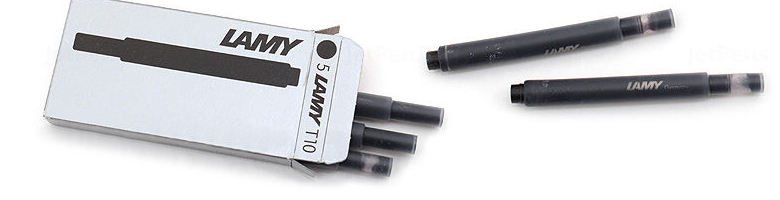
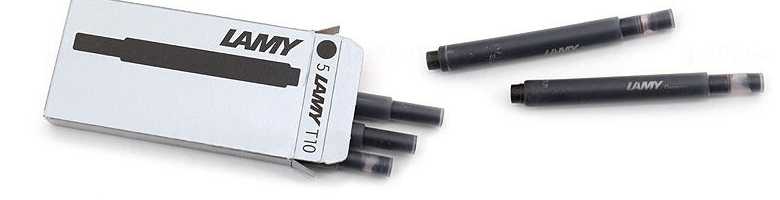
I collect LAMY fountain pens. I write with one every day. I buy LAMY refills because they’re reliable. They cost more than the aftermarket versions, but they almost never let me down.
We all know the saying, “You get what you pay for.” I used to think that wasn’t always true. Now I think it always is.
The mistake isn’t in the saying. The mistake is assuming the price is only money.
Every decision has a price. Every decision has a cost. They’re not always the same thing.
The real price isn’t just the dollar amount on the receipt. It’s everything else you’re paying that doesn’t show up in the transaction.
Take the person who buys something—not because they need it or even especially enjoy it, but because they want other people to see them differently. They’re not just paying with money. They’re paying with their authenticity. They’re paying with the constant low-grade anxiety of maintaining an image. They’re paying with the burden of needing to be recognized, validated, and noticed. Every glance at that purchase is a reminder of what they’re trying to prove and to whom.
Or consider the bargain hunter who drives across town to save five dollars, who buys the cheapest tools because they got a “deal,” and who fills their garage with things that barely work. They think they’re being smart with money. But they’re paying too. They’re paying with their time when the cheap tool breaks mid-project. They’re paying with frustration when they have to do the job twice. They’re paying with opportunity cost because they never had the right equipment to do the thing they actually wanted to do. The “savings” evaporate into a thousand small inconveniences and limitations.
That’s why I buy LAMY refills instead of knockoffs. I’m not paying extra for status or prestige. Nobody sees my pen cartridges. I’m paying for reliability. For consistency. For the confidence that my pen will work when I need it. I’m paying money, yes, but what I’m getting back is time, effectiveness, and peace of mind. That’s a fair trade.
This same principle plays out in leadership every single day—only the stakes are higher because the hidden costs get paid by other people.
When leaders chase status, whether it’s the corner office, the prestigious title, or being seen as the smartest person in the room, there’s always a hidden cost. The team bears the cost. They quickly learn that what matters isn’t solving problems or serving customers. What matters is making the leader look good. So people stop bringing up issues. They stop proposing risky ideas. They start managing up instead of managing work. Innovation dies. Trust erodes. And the leader, busy protecting their image, never even sees it happening.
When leaders pinch pennies at the wrong places, trying to demonstrate fiscal responsibility or hit budget targets, the team pays that cost too. Understaffed departments burn out. Training gets cut, so people plateau. Tools and systems limp along, frustrating everyone who uses them. The leader points to the balance sheet and feels accomplished, but they’ve traded dollars for morale, capability, and retention. People leave. Productivity drops. And fixing those problems later costs ten times what preventing them would have.
The balanced approach—the one that actually creates value—is harder because it requires honest self-awareness. You have to ask yourself what you’re really paying for. Are you investing in this initiative because it will genuinely help the team, or simply because it makes you look innovative? Are you cutting this expense because it’s truly wasteful, or because you’re afraid of being seen as careless with resources?
The hidden costs of leadership decisions show up in places that don’t appear on spreadsheets. They show up in hallway conversations that stop when you walk by. In the good people who quietly start looking for other jobs. In the way your team defaults to compliance instead of collaboration. In the gradually declining quality of work that happens when people stop caring.
People can tell what you truly value by what you’re willing to pay for. And I don’t just mean budget allocations. I mean what you pay attention to. What you show respect for. What you invest your time in. If you pay attention to people’s ideas, they’ll keep bringing you ideas. If you’re willing to pay the price of developing someone, they’ll invest themselves in the work. If you welcome the hard truth, even when it’s uncomfortable, people will trust you with it.
The lowest price and the highest price are both expensive when you count what they really cost. The lowest price costs you quality, reliability, and often your own time fixing what breaks. The highest price costs you authenticity, simplicity, and freedom from the weight of maintaining appearances. The sweet spot—the place where real value lives—is in paying fairly for what actually matters.
In a value-based culture, leaders make this transparent. They acknowledge what they’re asking people to give in exchange. They’re honest about the costs, including the hidden ones. They don’t pretend that budget cuts won’t hurt or that working weekends to hit a deadline is somehow not a real sacrifice. And they make sure that what the team is trading their time, effort, and well-being for is actually worth it—not worth it to the leader’s career or ego, but worth it to the people doing the work.
When you lead with this kind of honest accounting, something shifts. People stop feeling manipulated. They start making clearer choices about what they’re willing to trade. They bring their best work because they trust that what they’re paying for, what they’re investing themselves in, will actually deliver the value promised.
I still buy those LAMY refills. Every time I do, I’m reminded that the best transactions are the ones where both parties understand exactly what they’re paying for, and both walk away better because of it. Leadership should work the same way: clear trades, fair value, honest accounting of every cost—especially the ones that don’t show up on receipts. That’s the Bison Way.